Knowledge articles
May 6, 2025
Corporate sustainability and risk management in the non-profit sector
Dr. Bassam Al-Manasrah
-
The concept of corporate sustainability is one of the most pressing concepts in the non-profit sector today, as the question is no longer how to start a successful project, but rather how to maintain its continuity. If this question is strongly raised in the corporate world, it is more acute and urgent in the non-profit sector, because the institutions working in this field do not seek financial profit, but rather the sustainability of the human and societal impact.
Corporate sustainability tools for non-profit organizations
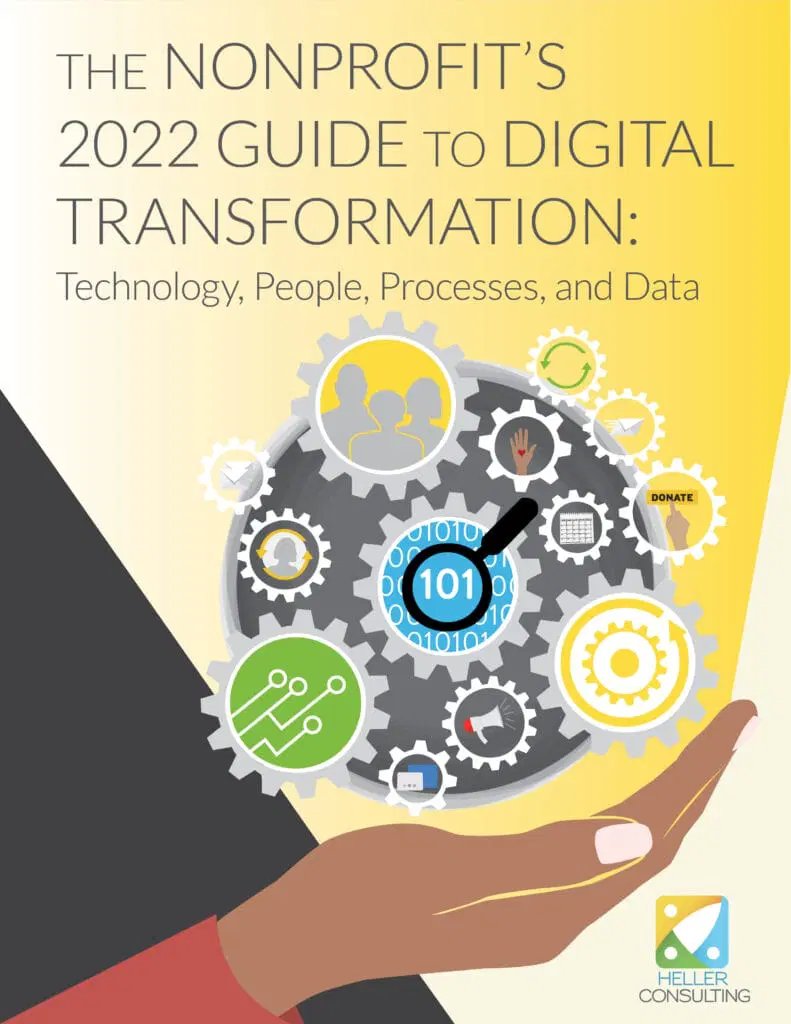
Strategic alignment: Directly linking sustainability plans with risk management plans, so that each strategic objective is viewed from the perspective of what might threaten it and how to protect it. Organizational culture: Building a collective awareness that risk mitigation is a shared responsibility extending from senior leadership to field teams. Digital transformation: Leveraging modern technologies to monitor financial and operational indicators in real time to detect risks early and make faster decisions.
Successful strategies to enhance corporate sustainability
1. Diversify funding sources: Adopt a blended funding model that combines international grants, local donations, and income-generating activities to reduce reliance on a single source. 2. Establish a risk management system: Develop a clear framework for identifying and assessing potential risks and implementing appropriate responses before they occur. 3. Enhance community ownership: Engage beneficiary communities as active partners, not just recipients, thereby increasing commitment and ensuring program sustainability.

Benefits of adopting corporate sustainability
Achieving a 65% higher survival rate compared to institutions relying on a single source of funding. - Enhancing the institution's ability to respond quickly to evolving community needs. - Building trust with donors and partners through transparency and accountability. - Ensuring the continuity of services even in the most exceptional circumstances.
Corporate sustainability is not just a nice word in reports, but an integrated management approach that begins with adopting a proactive approach that focuses on continuous risk assessment, constantly updating tools and methodologies, and investing in modern technologies that ensure rapid response and the ability to adapt to changes.
Share this article
Facebook
Twitter
LinkedIn
WhatsApp